Caring for a Parent with Dementia: Practical Family Guide
A comprehensive guide to caring for parents with dementia while sustaining family harmony and senior daily well-being.
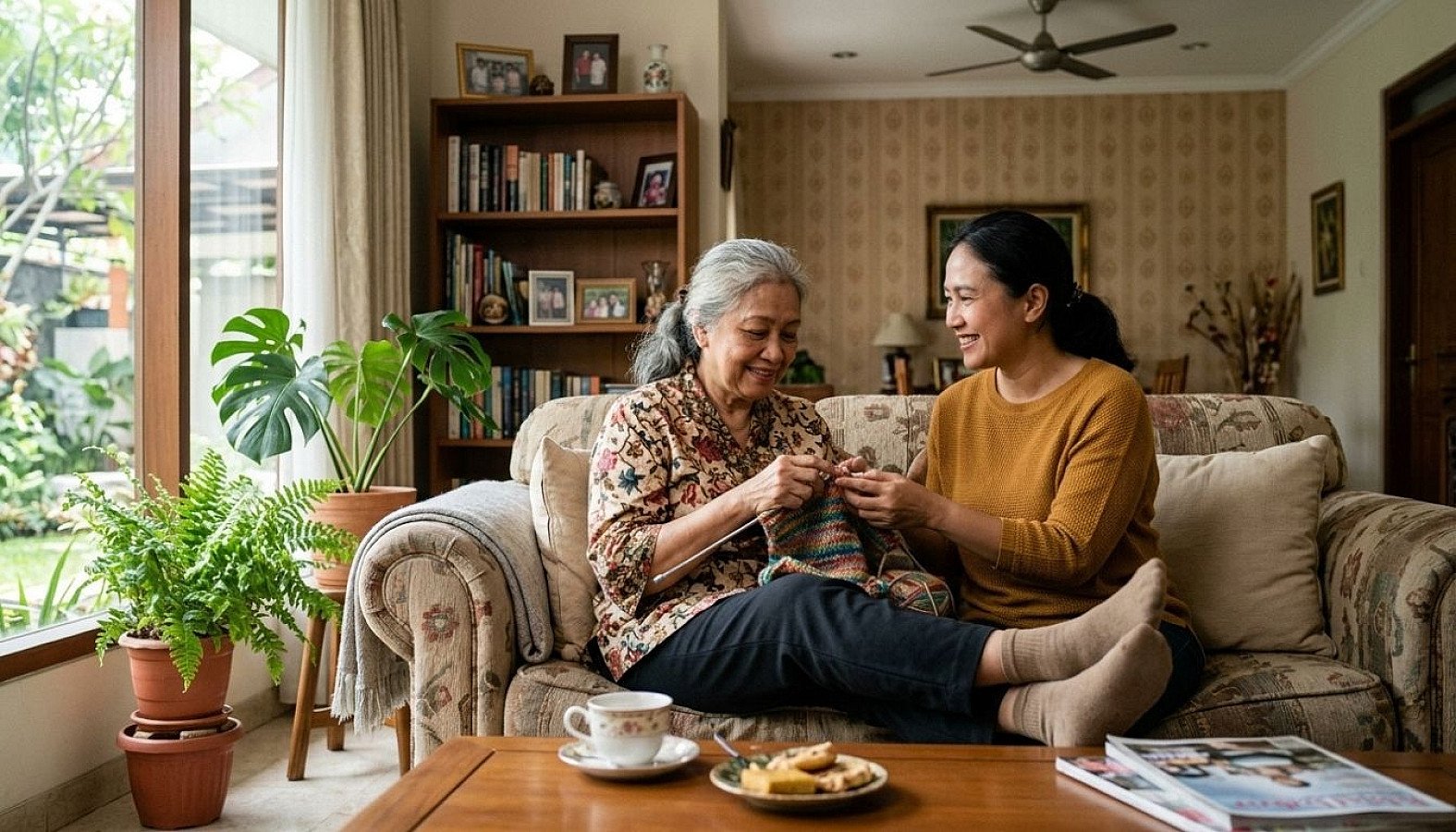
An adult child gently guiding their aging mother with dementia through relaxed afternoon activities
When aging parents who once served as our pillars of strength begin showing signs of dementia, family dynamics inevitably undergo a profound transformation. For adult children, the traditional parent-child relationship shifts into one of primary caregiving and compassionate stewardship. Navigating this evolving role requires a harmonious blend of practical medical awareness, adaptive communication strategies, and thoughtful home safety modifications. With structured guidance, families can create supportive environments that preserve senior dignity, enhance daily comfort, and strengthen familial love across every phase of the caregiving journey.
Core Principles of Compassionate Communication and Emotional Connection
One of the most significant challenges families encounter is adapting to changing communication patterns. As cognitive capabilities decline, parents may repeat questions, struggle with word retrieval, or express confusion about current realities. Responding with factual arguments or frustration only escalates agitation and distress for the senior.
Essential communication principles grounded in empathy include:
- Adopt a Calm, Gentle Vocal Tone: A warm, peaceful tone conveys emotional safety even before words are fully processed by the brain.
- Speak with Concise, Clear Sentences: Present one instruction or thought at a time, allowing generous processing time for your parent to respond comfortably.
- Focus on Emotional Validation: When a parent feels anxious or reminisces about deceased relatives, validate their feelings rather than bluntly correcting historical facts.
- Maintain Eye Contact and Reassuring Touch: Connect at eye level and gently hold their hand to provide tactile security and build trust.
For adult children supporting parents across Jakarta, Tangerang Selatan, BSD City, and surrounding regions, practicing mindful, patient communication forms the essential cornerstone of dignified eldercare.
Creating a Safe, Navigable, and Memory-Friendly Home
Modifying home environments is a crucial preventative measure to protect seniors from serious accidents such as falls, disorientation, or accidental ingestion of hazardous materials.
Practical living space adaptations include:
- Ample Ambient Lighting: Ensure hallways, bathrooms, and bedrooms are brightly illuminated to eliminate disorienting shadows and optical illusions.
- Bathroom Safety Hardware: Install sturdy grab bars near toilets and showers, and place non-slip mats across all wet floor surfaces.
- Clear Visual Signage: Affix high-contrast labels with bold text or icons onto bedroom doors, wardrobes, and bathrooms to aid spatial orientation.
- Secure Storage for Medications and Chemicals: Keep prescription drugs and household cleaning agents in locked cabinets out of reach.
Establishing a secure living space empowers aging parents to move with relative independence while alleviating constant worry for family caregivers.
Structuring a Predictable and Calming Daily Care Routine
Establishing consistent daily schedules reduces temporal disorientation and creates a comforting sense of predictability for seniors living with dementia.
A step-by-step framework for designing supportive daily routines:
- Establish consistent daily schedules for waking, nutritious meals, personal grooming, afternoon leisure, and evening rest.
- Schedule a professional assessment to evaluate functional physical capacity and craft personalized cognitive stimulation plans.
- Incorporate dedicated morning routines for gentle movement, such as garden strolls or listening to nostalgic musical selections.
- Engage your parent in safe, purposeful household tasks, like folding laundry or watering plants, to reinforce personal self-worth.
- Rotate caregiving duties among siblings to ensure primary family caregivers receive necessary rest and recovery time.
- Maintain routine clinical evaluations with medical specialists to monitor health developments and adjust care strategies.
Within integrated senior residences like RUKUN Group Home, daily life is thoughtfully curated through an Activity as Therapy approach to nurture senior vitality and joy.
Fostering Family Unity and Accessing Professional Support
Caring for an aging parent with dementia is an enduring journey that should never be borne in isolation. Open communication among siblings and readiness to seek external professional assistance ensure that eldercare remains sustainable and loving over the long term.
Families wishing to explore daytime wellness options, assisted living care standards, and enrollment criteria are encouraged to consult our FAQ page.
For families across Greater Jakarta, including Tangerang and Tangerang Selatan seeking specialized memory care in BSD City, our dedicated team is here to assist.
Please contact us today to arrange a complimentary consultation and determine the most supportive eldercare path for your aging parents.
Disclaimer: This article is provided solely for educational and general informational guidance for families and must not be used as formal medical instruction or a substitute for expert advice from a geriatrician. Always consult qualified healthcare professionals regarding your parent's unique medical conditions.
Conduct regular family meetings to allocate tasks according to individual capacities, such as rotating daily visitation schedules, managing medical appointments, overseeing finances, and coordinating household nutritional supplies.
Remain calm and avoid arguing or raising your voice. Validate their emotions with gentle reassurance, redirect attention smoothly to an enjoyable activity like familiar music, and check for underlying physical discomforts like hunger or fatigue.
Establish consistent timetables for waking, meals, light therapeutic activities, personal hygiene, and bedtime. Predictable routines foster emotional security, reduce temporal confusion, and significantly mitigate late-afternoon restlessness.
When care requirements escalate to continuous 24-hour supervision, when wandering or safety risks arise, or when family time constraints prevent the consistent therapeutic stimulation and assistance the senior deserves.