Certified Caregivers: Key Training Standards and Competencies
Discover essential training standards and professional certifications that define top-tier dementia caregiving quality.
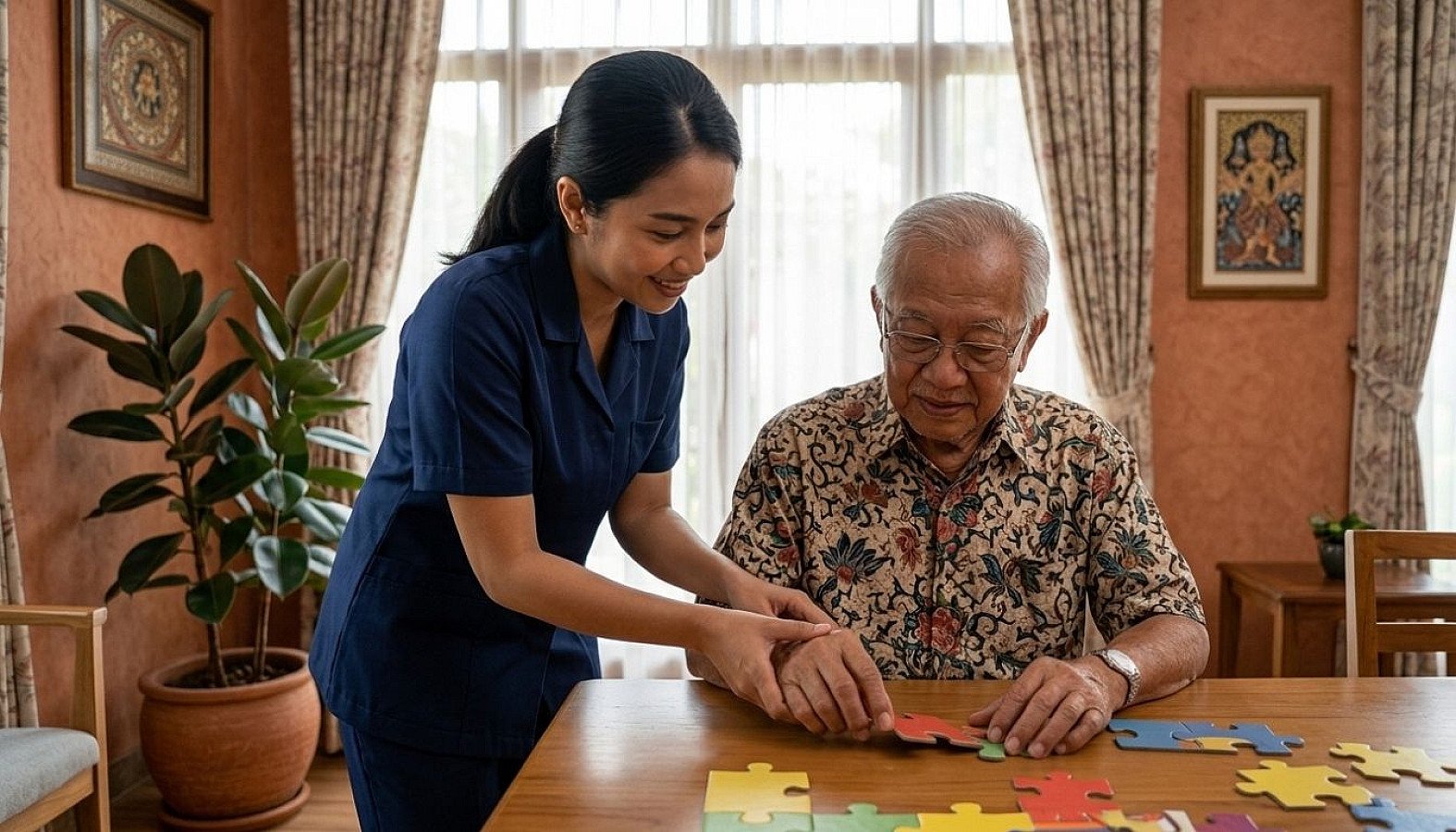
Certified caregiver professionally assisting an elderly resident with compassionate care and specialized skills
Entrusting the daily care of an aging parent to professional caregiving staff is a momentous decision requiring deep mutual trust and clinical confidence. In the realm of senior healthcare, professional caregivers perform vital roles that extend far beyond ordinary domestic assistance. A certified caregiver serves as a trained healthcare ally responsible for physical safety, emotional equilibrium, and overall daily vitality. Ensuring that senior caregivers possess formal accreditations and master stringent competency standards is essential to guarantee that your aging parents receive compassionate, dignified, and safe care in their golden years.
Core Caregiving Training Standards for Professional Caregivers
Caregiver certification programs are structured to equip candidates with practical healthcare competencies, emergency preparedness, and compassionate ethics centered on patient safety.
Mandatory training modules required during professional certification include:
- Assistance with Activities of Daily Living (ADLs): Safe bed and shower bathing protocols, oral hygiene maintenance, and preventative skincare against pressure sores.
- Ergonomic Mobility Transfers: Safe techniques for moving residents from beds to wheelchairs, operating mobility aids, and executing fall-prevention strategies.
- Vital Signs Observation (Wellness Monitoring): Accurate measurement of blood pressure, heart rate, respiration rate, blood glucose, and blood oxygen saturation.
- Nutritional Management and Dysphagia Support: Texture-modified meal preparation, patient feeding techniques, and choking emergency management.
- Emergency First Aid: Fainting response, choking emergency response, and rapid hospital escalation procedures.
For families across Jakarta, BSD City, Tangerang Selatan, and surrounding areas, these caregiving credentials serve as a vital guarantee of resident safety.
Specialized Expertise in Dementia and Alzheimer's Care
Supporting older adults experiencing progressive cognitive decline requires unique psychosocial competencies fundamentally distinct from standard physical eldercare.
Specialized memory care competencies include:
- Emotional Validation Techniques: Acknowledging and validating resident feelings without debating perceived realities, instantly mitigating agitation.
- Managing Sundowning Restlessness: Structuring soothing late-afternoon routines to prevent twilight disorientation and nocturnal sleep disruptions.
- Facilitating Activity as Therapy: Guiding creative art sessions, nostalgic musical sing-alongs, and failure-free cognitive stimulation games.
- Empathetic Non-Verbal Interaction: Utilizing gentle vocal modulation, supportive eye-level contact, and comforting touch to foster psychological trust.
This expertise ensures that seniors living with dementia are treated with uncompromised dignity and boundless empathy.
A Practical Roadmap for Families to Verify Caregiver Excellence
Families have every right to examine the professional credentials, background, and practical experience of caregiving candidates.
Recommended practical steps when verifying caregiver competencies:
- Request official certification documentation from accredited healthcare training institutes or recognized geriatric associations.
- Participate in a professional assessment to map your parent's care needs and determine the most suitable caregiver qualifications.
- Examine previous professional caregiving references and verify documented work experience with past families.
- Conduct face-to-face interviews to evaluate patience, communication clarity, emotional warmth, and interpersonal empathy.
- Confirm that the care agency maintains ongoing care supervision, on-site monitoring, and periodic quality audits.
- Review service agreements to verify seamless staff replacement guarantees if interpersonal compatibility issues arise.
- Consider residences where ongoing caregiver development is deeply embedded in the operational culture, as explored in our guide on {{link:article:dementia-caregiver-training-vital-role-continuous-growth}}.
Under the rigorous quality management at RUKUN Group Home, every caregiver undergoes exhaustive background vetting and intensive training before serving senior residents.
Nurturing Lasting Trust and Peace of Mind
A certified caregiver represents an invaluable extension of family love, ensuring that aging parents enjoy secure, dignified, and joyful daily lives. By placing physical care into expert hands, families can treasure their time together with total peace of mind.
Families wishing to explore caregiver training frameworks, staffing ratios, and medical oversight are warmly invited to visit our FAQ page.
For families across Jakarta, BSD City, Tangerang Selatan, and Tangerang seeking certified professional caregivers and premier senior living accommodations, our team is ready to guide you.
Please feel free to contact us today to speak with our care supervision team and discover the ideal caregiver profile for your aging loved ones.
Disclaimer: This article is intended solely for educational guidance regarding professional caregiving standards and should not be used as formal legal certification or medical instruction. Always verify credentials directly with accredited institutions and healthcare authorities.
The curriculum covers safe transfer and fall prevention, vital signs monitoring, personal hygiene and skin integrity preservation, swallowing and nutritional support, emergency first aid, and dementia-specific empathetic communication techniques.
Families can request official training certificates, documented work histories, credential verifications from recognized training institutions, and confirmation that the agency conducts ongoing supervision and quality evaluations.
Paramount soft skills include profound empathy, boundless patience during repetitive behaviors, active listening, gentle voice modulation, and keen observational awareness of subtle physical or emotional changes in seniors.
Dementia care demands specialized psychosocial competencies in managing cognitive behavioral changes, non-pharmacological anxiety de-escalation, emotional validation, and Activity as Therapy approaches beyond standard clinical nursing protocols.