Dementia Activity Therapy: Benefits of Art, Music, and Brain Play
Discover how dementia activity therapies like art and music stimulate cognition, uplift mood, and enrich senior living.
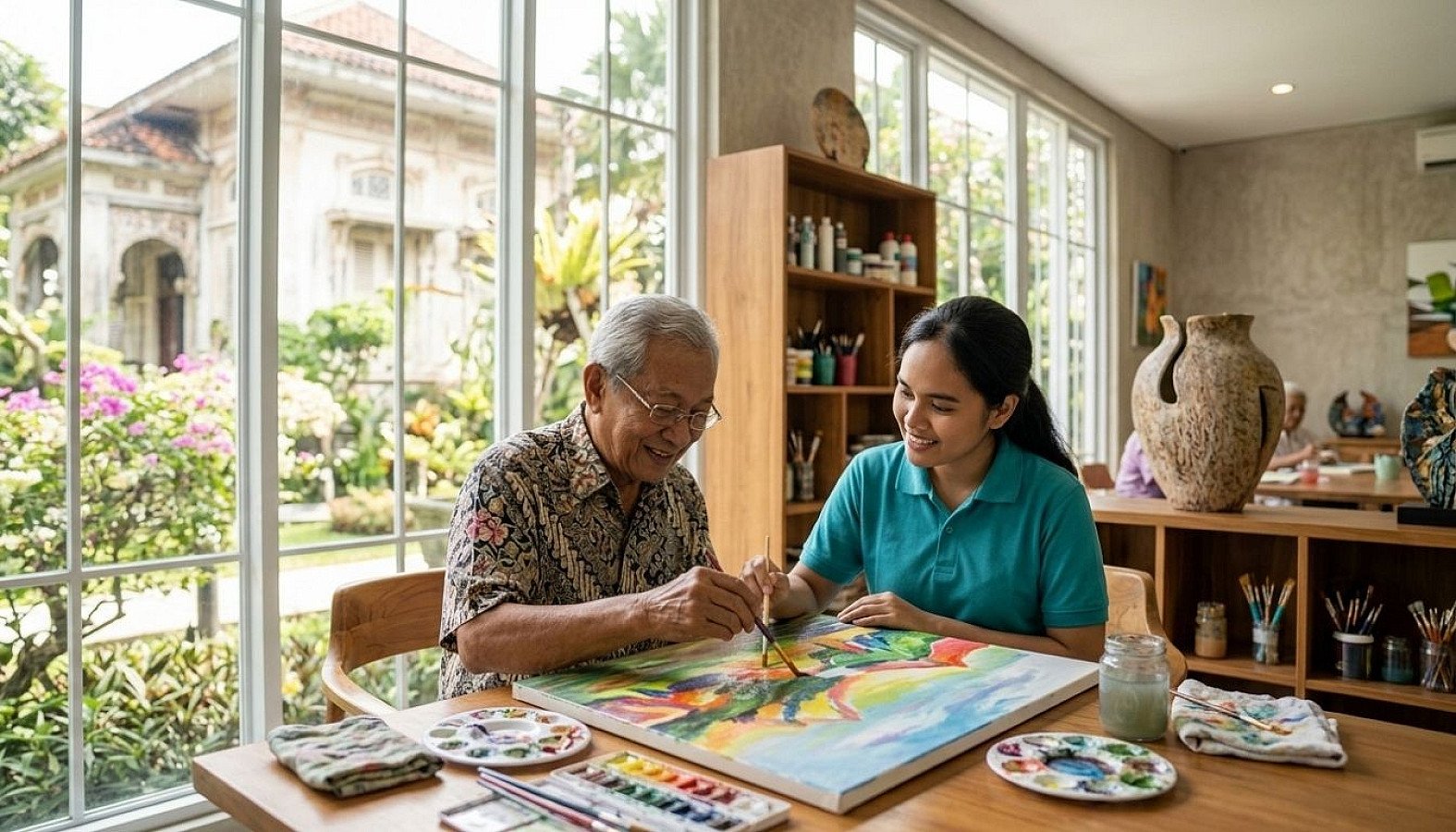
Senior resident with dementia enjoying guided art painting therapy with an instructor in a bright activity studio
In caring for older adults living with cognitive decline or dementia, therapeutic care extends far beyond physical health checks and routine medication schedules. One of the most foundational and scientifically validated pillars for enhancing senior quality of life is the philosophy of Activity as Therapy. Through structured creative expression, sensory stimulation, and purposeful social interaction, seniors are encouraged to engage their neural pathways in enjoyable, stress-free environments. Art therapy, music engagement, and targeted cognitive stimulation provide vital outlets for self-expression, reduce anxiety, and help preserve daily functional independence.
The Cognitive and Emotional Benefits of Art Therapy
For seniors with dementia experiencing progressive word-retrieval challenges or speech difficulties, creative visual art provides a vibrant communicative language free from verbal constraints. Art therapy focuses entirely on the joy of the creative process rather than aesthetic perfection.
Concrete therapeutic benefits experienced by seniors through art activities include:
- Unrestricted Emotional Expression: Working with watercolors, soft pastels, or collage materials helps release emotions that may be difficult to articulate verbally.
- Fine Motor Coordination: Holding paintbrushes, folding origami papers, and arranging fresh flowers exercises finger dexterity and hand-eye coordination.
- Rebuilding Self-Esteem: Completing a creative art piece fosters a profound sense of pride, personal accomplishment, and renewed identity.
- Natural Agitation Relief: Focusing on soothing colors and tactile textures produces a meditative effect that eases anxiety and emotional tension.
Across Jakarta, BSD City, Tangerang Selatan, and surrounding areas, families can easily integrate guided creative arts at home to enrich their parent's daily life.
The Neurological Power of Music Therapy in Memory Recall
Music holds a unique neurological advantage because musical memory, rhythm recognition, and melodic processing reside in brain networks that remain remarkably resilient against dementia-related damage. Even when seniors experience difficulty recalling names, they frequently sing every lyric of their favorite youth songs with complete clarity.
Vital roles played by music therapy in dementia care include:
- Awakening Fond Nostalgic Memories: Familiar melodies from formative years instantly connect seniors to cherished life moments, stimulating animated conversations.
- Mitigating Sundowning Symptoms: Playing soothing acoustic melodies during late afternoon hours effectively eases emotional restlessness and twilight confusion.
- Encouraging Spontaneous Physical Movement: Uplifting musical tempos inspire natural rhythmic movement, gentle clapping, and shared slow dancing.
- Enhancing Restorative Sleep: Soft musical listening prior to bedtime calms the nervous system, encouraging deep, restful nighttime sleep.
Harnessing the therapeutic power of music serves as a heartfelt instrument for creating joy and comfort within family living spaces.
Implementing Effective Cognitive Stimulation in Daily Routines
Cognitive Stimulation Therapy (CST) is designed to engage intellectual reasoning, concentration, and associative memory through failure-free, interactive recreational activities.
A structured framework for conducting daily cognitive stimulation:
- Participate in a professional assessment to evaluate baseline cognitive strengths and select appropriately challenging activities.
- Introduce failure-free brain games aligned with personal passions, such as large-piece landscape puzzles, word association, or sorting games.
- Designate dedicated 30 to 45-minute morning sessions when senior energy, focus, and cognitive alertness are at their daily peak.
- Incorporate nostalgic tangible props, such as historical photo albums, vintage memorabilia, or classic storybooks, to spark engaging dialogue.
- Provide warm verbal encouragement and validate every effort without rigidly correcting factual mistakes.
- Pair intellectual stimulation with gentle physical movement, such as chair exercises or light strolls through a scenic garden.
At dedicated senior living communities like RUKUN Group Home, daily therapeutic programs are skillfully curated by multidisciplinary teams to ensure each resident thrives.
Cultivating Holistic Wellness Through Integrated Therapies
Providing structured activity therapy on a consistent basis preserves cognitive vitality, minimizes reliance on pharmacological sedatives, and restores everyday purpose for aging loved ones. Enriching their days with vibrant colors, familiar melodies, and warm companionship is the finest gift we can provide to our parents in their golden years.
Families seeking further information regarding activity schedules, daycare options, and residential admissions are warmly invited to visit our FAQ page.
For families across Jakarta, BSD City, and Tangerang seeking specialized dementia day programs or memory care living in a supportive environment, our team stands ready to assist.
Please contact us today to schedule a free trial session for your aging parent in our daily activity program.
Disclaimer: This article is provided purely for educational and informational purposes regarding non-pharmacological therapies and should not be considered a substitute for professional medical guidance from a neurologist or geriatric psychiatrist. Always consult qualified healthcare professionals regarding care plans for your loved ones.
Art therapy provides a powerful non-verbal outlet for expressing emotions, memories, and personal creativity. Activities like painting, coloring, or flower arranging stimulate fine motor pathways without placing language pressure on the senior.
Musical memory is preserved in brain regions that remain resilient against dementia-related decline. Listening to nostalgic melodies from youth triggers positive emotions, stimulates calming endorphins, and provides comforting emotional security.
Simple activities including large-piece jigsaw puzzles, gentle word association games, picture matching cards, shared short story reading, and sorting colorful buttons are safe and highly effective for cognitive stimulation at home.
Therapy sessions are most effective when kept between 30 to 45 minutes per session, conducted 1 to 2 times daily during morning or early afternoon hours when senior attention and energy levels are optimal.