Dementia Caregiver Training: The Vital Role of Continuous Growth
Learn why ongoing dementia caregiver training is essential to sustain high care quality, compassion, and senior safety.
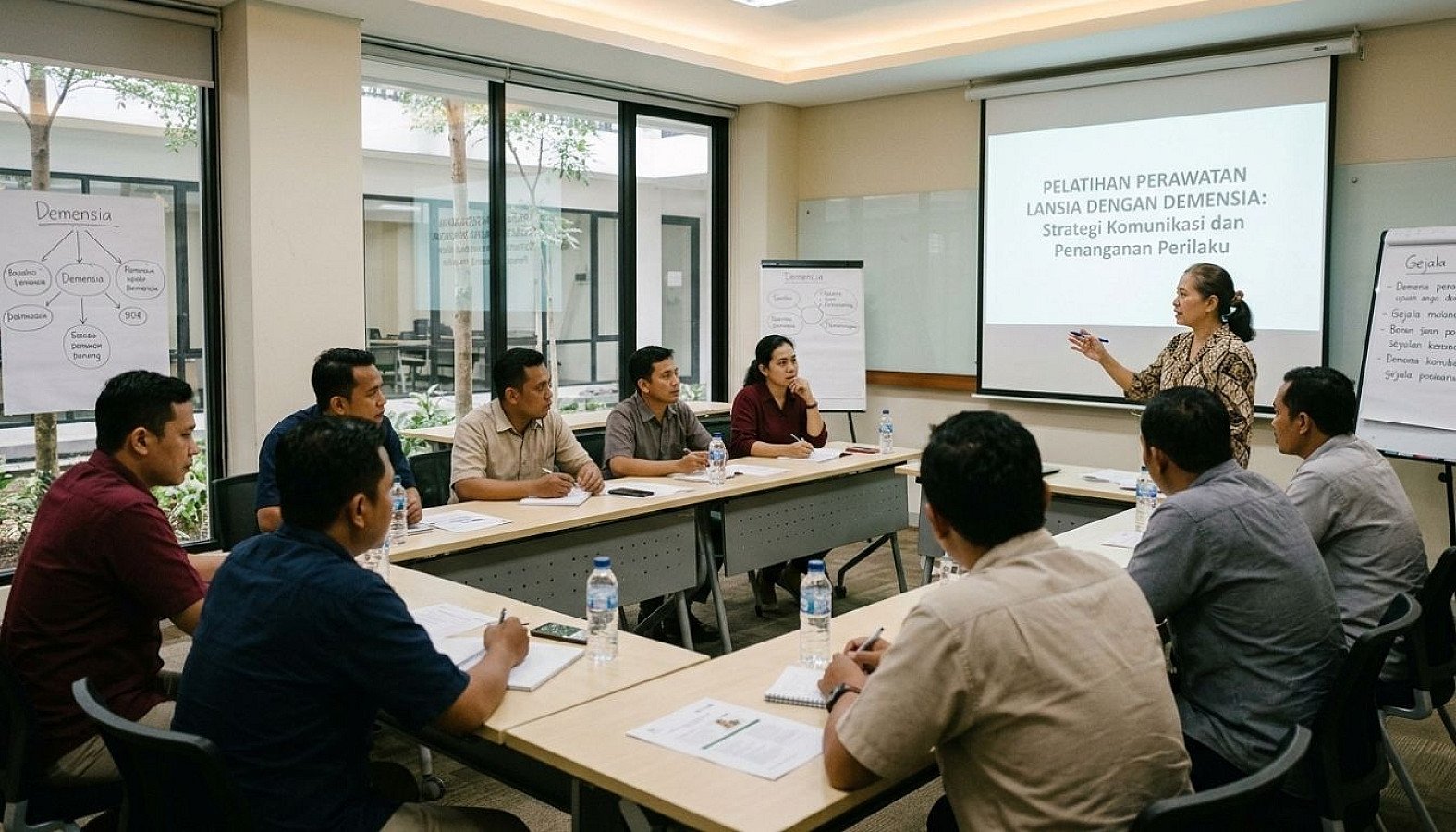
Continuous professional development workshop session for senior caregiving staff specializing in dementia care
In the specialized fields of senior care and memory support, a caregiver's initial certification represents merely the starting point of an enduring professional journey. The dynamic landscape of geriatric wellness, particularly dementia and Alzheimer's care, requires continuously refreshed competencies as novel non-pharmacological interventions emerge and resident needs grow increasingly nuanced. Without structured continuous education, caregiving skills inevitably stagnate or degrade over time. Consequently, a steadfast commitment to continuous professional development serves as the foundational cornerstone ensuring aging loved ones consistently receive care defined by the highest clinical safety, dignified respect, and authentic empathy.
Why Dementia Care Demands Continuous Learning and Adaptation
Dementia is never a static condition; each resident experiences progressive cognitive transitions with distinct behavioral, communicative, and physical nuances. Care strategies that proved effective last month frequently require thoughtful recalibration today.
Core reasons why continuous training is indispensable in dementia care include:
- Evolving Behavioral Manifestations: Addressing new behavioral symptoms such as visual hallucinations, verbal restlessness, or sundowning agitation requires adaptive de-escalation skills.
- Integrating Non-Pharmacological Innovations: Mastering practical applications of nostalgic music therapy, sensory stimulation, and creative art techniques.
- Mitigating Compassion Fatigue: Structured workshops provide safe spaces for caregivers to process emotional strain, replenishing their emotional reserves.
- Reinforcing Critical Safety Protocols: Ensuring that mobility transfer mechanics, aspiration prevention, and first-aid procedures remain second nature.
For families across Jakarta, BSD City, Tangerang Selatan, and neighboring areas, this continuous dedication provides an unwavering guarantee of exceptional care.
Core Pillars of a Comprehensive Caregiver Development Curriculum
Distinguished senior living organizations formulate continuing education frameworks encompassing advanced caregiving skills, empathetic communication, and professional ethics.
Essential curriculum modules regularly delivered to caregiving teams include:
- Advanced Empathetic Communication: Refining vocal modulation, body language, and emotional validation techniques to connect with disoriented seniors.
- Ergonomic Mechanics and Injury Prevention: Re-training in safe resident transfer techniques to protect staff spine health and prevent resident trauma.
- Creative Therapeutic Programming: Exploring innovative tools for daily cognitive stimulation, structured puzzle challenges, and botanical activities.
- Stress Resilience and Team Synergy: Cultivating collaborative teamwork to ensure transparent, continuous health monitoring handovers.
This holistic approach develops caregivers who are not only technically proficient, but also emotionally mature and resilient.
Selecting Eldercare Providers Committed to Ongoing Staff Education
Choosing a senior care provider that prioritizes continuous staff development is the single best investment families can make for their parent's wellness.
Recommended steps when evaluating a facility's training commitment:
- Inquire regarding the frequency, accreditation, and mandatory hours of continuing education required for all care staff.
- Participate in a professional assessment to evaluate your parent's unique care profile and observe how the team formulates personalized plans.
- Verify that the residence maintains dedicated care supervisors conducting daily on-site quality audits and observation.
- Observe how caregiving staff interact with residents during active program hours during your on-site facility tour.
- Review daily wellness documentation systems to ensure comprehensive logging of vital metrics, dietary intake, and mood patterns.
- Discuss emergency response protocols to confirm that staff undergo regular practical drills for medical escalations.
Through rigorous and ongoing training standards at RUKUN Group Home, senior residents are continuously supported by skilled, compassionate hands.
Sustaining Excellence in Senior Care Throughout Every Chapter
Exceptional eldercare must never be left to chance; it must be intentionally cultivated upon a foundation of planned, measurable, and continuous professional training. Supported by an educated, motivated, and deeply empathetic caregiving team, your aging loved ones will thrive in an environment characterized by safety, dignity, and abundant warmth.
To learn more about our staff competency frameworks, daily clinical supervision, and residential amenities, please visit our FAQ page.
For families across Jakarta, BSD City, Tangerang Selatan, and Tangerang seeking trusted senior living accommodations, our care advisory team is here to assist.
Please contact us today to speak with our experts and discover premier senior living solutions for your family.
Disclaimer: This article is provided purely for educational guidance regarding geriatric care training standards and must not be construed as clinical medical instruction or formal legal assurance. Always consult qualified healthcare professionals regarding specific care requirements for your loved ones.
Dementia is a progressive, dynamic condition unique to each individual. Continuous training is essential to refresh behavioral management techniques, review real-world case studies, and ensure that safety protocols and compassionate ethics remain consistently applied.
Routine topics include updated protocols for managing agitation and hallucinations, ergonomic injury prevention during transfers, innovative activity therapies (art and music), empathetic family communication, and caregiver mental health management.
Continuous training provides structured reflection and supportive peer debriefing, allowing caregivers to process emotional strain, build confidence in managing difficult behaviors, and foster strong team solidarity.
Quality evaluations are conducted through direct supervisory observation, daily protocol compliance audits, periodic family satisfaction reviews, and biannual practical caregiving skill assessments.