Social Interaction in Dementia: Why Connection Matters Most
Discover why regular social interaction is crucial for seniors with dementia to prevent isolation and maintain warm joy.
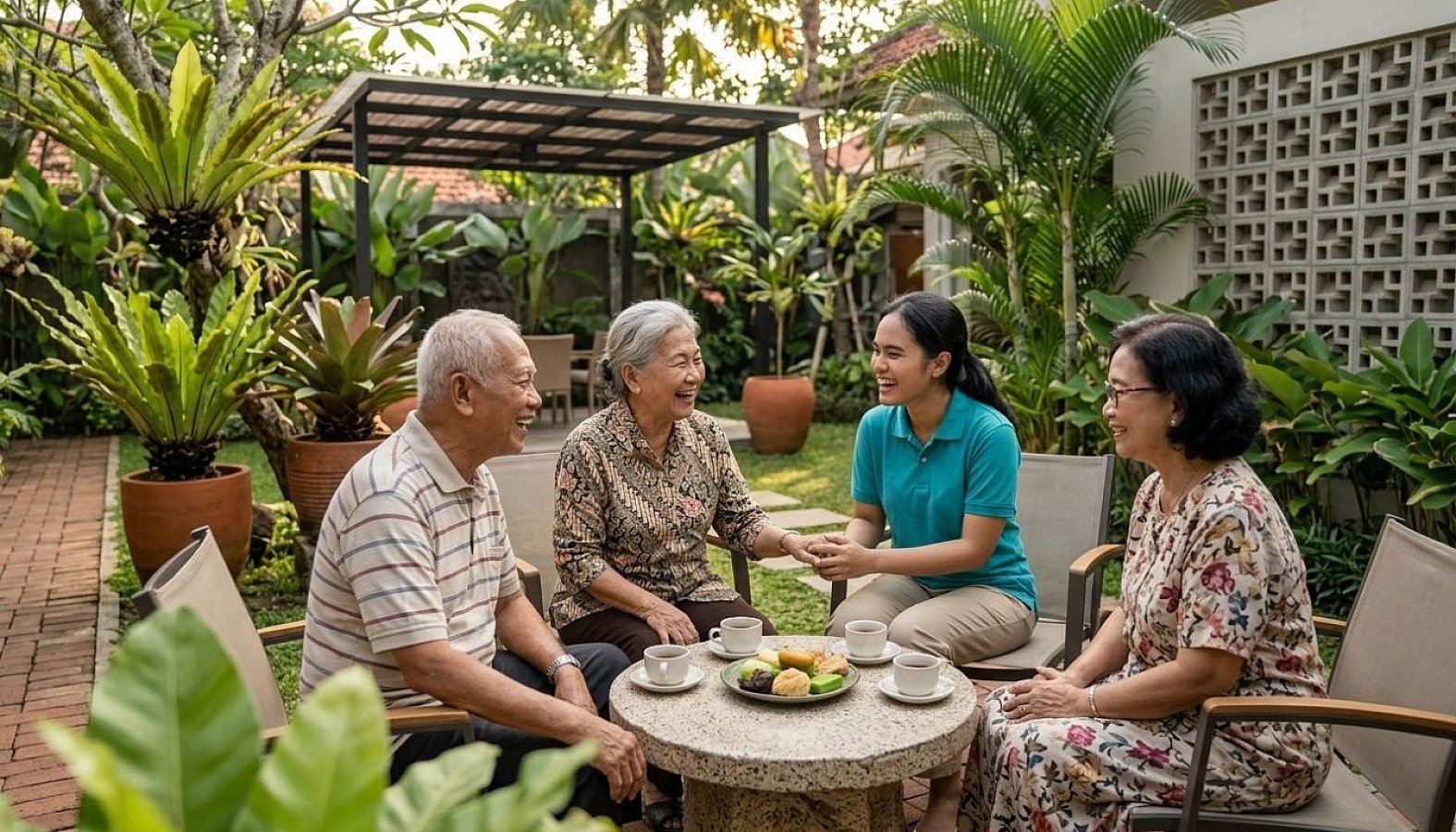
A cheerful group of senior residents with dementia sharing heartwarming social conversations with caregivers
Holistic health for older adults living with dementia is fundamentally shaped not only by clinical care and proper nutrition, but also by the warmth of authentic human connection experienced each day. Following a dementia diagnosis, seniors frequently withdraw from social circles due to communication difficulties, embarrassment, or fear of judgment. If left unaddressed, prolonged social isolation accelerates cognitive decline and significantly elevates the risk of late-life depression. Fostering active, judgment-free social engagement serves as one of the most powerful natural interventions for preserving neural vitality and restoring everyday happiness in our aging parents.
The Detrimental Neurological Impacts of Social Isolation
From a neurobiological standpoint, the human brain thrives on reciprocal social communication. When a senior spends consecutive days isolated with minimal conversation, the neural circuits governing speech, focus, and memory processing experience rapid functional atrophy.
Major consequences linked to prolonged social isolation in dementia include:
- Accelerated Memory Loss: Minimal conversational engagement speeds the loss of vocabulary and exacerbates temporal and spatial disorientation.
- Elevated Stress Hormones: Chronic loneliness triggers excessive cortisol release, which damages neural cells within the hippocampal memory center.
- Heightened Risk of Clinical Depression: Seniors experiencing social alienation frequently manifest severe apathy, emotional numbness, or irritability.
- Disrupted Circadian Sleep Cycles: A lack of stimulating daytime social interactions often destabilizes internal clocks, worsening nighttime restlessness.
Families supporting aging parents across Jakarta, BSD City, Tangerang Selatan, and neighboring communities must remain vigilant in recognizing social withdrawal signs to intervene early.
Therapeutic Benefits of Social Engagement for Dementia Wellness
Engaging older adults in warm conversations and shared recreational pursuits produces remarkable physical and emotional revitalizations.
Concrete benefits experienced by seniors through active social connections include:
- Preserved Communication Skills: Casual daily chats encourage the brain to actively retrieve words and process incoming thoughts adaptively.
- Renewed Sense of Belonging: Spending time among accepting companions dispels the heartbreaking feeling of being an inconvenient burden.
- Natural Endorphin Release: Shared laughter and camaraderie stimulate dopamine and serotonin production, naturally calming anxiety.
- Enhanced Physical Motivation: Social gatherings such as group morning walks or chair gymnastics naturally inspire active bodily movement.
Meaningful connection does not require intricate discussions; a gentle presence, shared smiles, and patient listening provide profound comfort to aging loved ones.
Step-by-Step Practical Strategies for Nurturing Home Connection
Creating an enriching social atmosphere begins within the immediate family circle before branching outward into community settings.
Recommended practical steps to encourage positive social interactions:
- Establish dedicated screen-free family dining times to facilitate spontaneous, unhurried conversations at the table.
- Participate in a professional assessment to evaluate your parent's social comfort levels and cognitive interaction capacities.
- Encourage grandchildren and younger family members to connect through simple shared activities like reviewing photo albums or enjoying music.
- Coordinate brief, regular visits from close family friends, ensuring visit durations remain comfortable and unhurried.
- Enroll your parent in local senior daytime activity programs or Dementia Day Programs to foster peer connections.
- Accompany your parent patiently during new social outings to provide reassurance, psychological safety, and confidence.
Through purposefully designed social ecosystems at RUKUN Group Home, seniors engage with peers in an atmosphere characterized by warmth, empathy, and joy.
The Power of Inclusive Peer Communities for Seniors
As cognitive conditions progress, older adults derive immense comfort from being around peers navigating similar life chapters. Within dedicated senior living environments, residents enjoy absolute equality, free from the worry of being misunderstood or judged for their limitations.
Families seeking detailed insights regarding social activity calendars and community facilities are invited to explore our FAQ page.
For families across Jakarta, BSD City, and Tangerang looking for active adult daycare or residential memory living, our dedicated team is eager to welcome you.
Please contact us today to learn more about our senior social enrichment programs and schedule a personalized tour of our residence.
Disclaimer: This article is provided purely for educational and general informational guidance and must not be used as a substitute for clinical psychiatric or geriatric medical evaluations. Always consult qualified healthcare professionals regarding care strategies for your aging parents.
When seniors are socially isolated, the brain is deprived of sensory and linguistic stimulation essential for maintaining neural plasticity. Chronic loneliness also elevates cortisol stress hormones, which accelerates brain tissue atrophy and cognitive decline.
Begin with gentle one-on-one interactions with a peer who shares similar interests. Maintain a peaceful environment free from loud background noise, stay close to offer reassurance, and allow the senior to adapt at their own pace without pressure.
Non-competitive group engagements such as casual group singing, shared garden tending, light group stretching, and communal afternoon tea events are remarkably effective in nurturing heartwarming friendships.
In a dedicated senior community, residents are surrounded by peers sharing similar life phases, fostering mutual empathy, equality, and belonging without judgment, reinforced by daily structured social engagements.