Stages of Dementia: Behavioral Changes and Care Strategies
Understand the progressive stages of dementia to adapt care strategies and support your aging parent with dignity today.
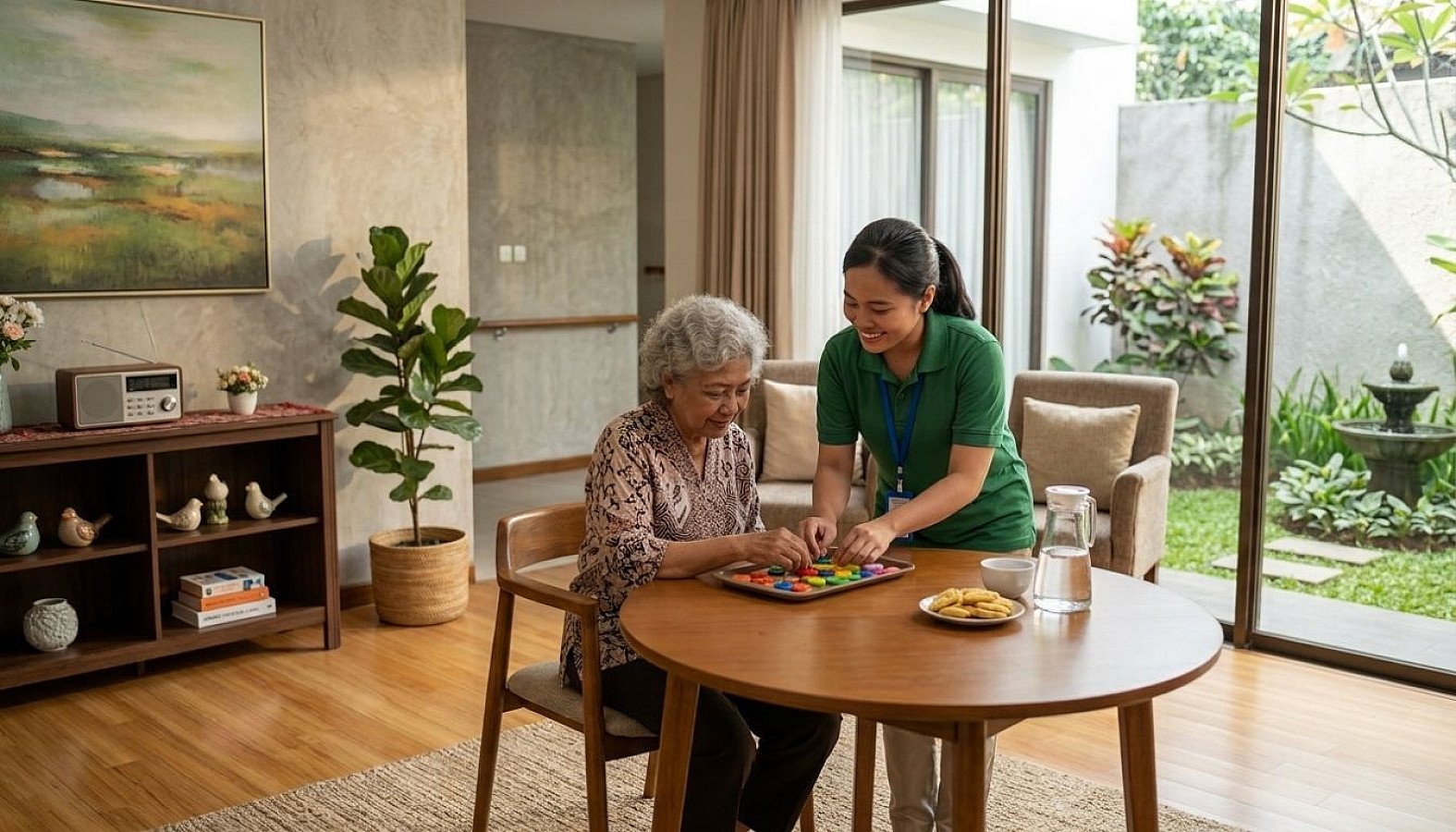
Trained caregiver assisting an elderly resident with dementia during daily activities in a safe living environment
Facing a parent's dementia diagnosis is an emotionally profound experience that alters family dynamics and daily routines. Dementia is inherently a progressive neurological condition, meaning that symptoms, cognitive capabilities, and caregiving needs will continually evolve across different phases. By understanding the recognized stages of dementia, adult children can proactively anticipate behavioral changes, modify home safety features, and provide compassionate, dignity-centered care without experiencing overwhelming personal burnout.
How Do Symptoms Evolve Across the Three Major Stages of Dementia?
While each individual experiences the progression of dementia along a unique trajectory, clinical practice categorizes the condition into three primary stages to help families and caregivers provide structured, stage-appropriate care.
A detailed overview of the primary stages and behavioral manifestations includes:
- Early Stage (Mild): The senior remains largely independent in basic self-care, yet begins experiencing short-term memory lapses, word-retrieval challenges, and difficulty organizing appointments or managing finances. Individuals frequently recognize these difficulties, which can trigger moments of anxiety or withdrawal.
- Middle Stage (Moderate): Often the longest duration of the illness. Seniors encounter noticeable challenges selecting context-appropriate clothing, recalling familiar addresses or distant family names, experiencing temporal disorientation, and displaying late-afternoon restlessness or sleep disturbances.
- Late Stage (Severe): Marked by extensive cognitive decline and loss of environmental awareness. Verbal communication becomes minimal, requiring round-the-clock assistance with meals, personal hygiene, and mobility support.
Recognizing these progressive stages allows family members across Jakarta, BSD City, and surrounding areas to establish compassionate, realistic expectations for daily interactions.
What Specific Care Approaches Are Required at Each Phase?
As dementia progresses, caregiving priorities naturally shift from subtle organizational reminders to comprehensive hands-on physical assistance and emotional comfort.
Key care considerations across stages include:
- Cognitive and Social Stimulation: During mild and moderate stages, structured mental exercises, music sessions, and group interactions actively help preserve cognitive vitality and elevate daily mood.
- Environmental Safety Adaptation: Installing bathroom grab bars, eliminating loose floor rugs, and maintaining consistent lighting to mitigate nighttime confusion and fall hazards.
- Nutritional Oversight: Providing balanced, easily digestible meals on regular schedules, particularly as seniors begin forgetting whether they have already eaten.
- Compassionate Behavioral Management: Responding to disorientation or repetitive questioning with calm reassurance rather than logical debates or confrontation.
Balancing these multifaceted needs requires intentional collaboration among family members to prevent individual caregiver exhaustion.
When Should Families Transition to Professional Memory Care Support?
While many families begin by caring for aging parents at home, the escalating demands of moderate to advanced dementia often exceed the capacity of working adult children in metropolitan hubs like Jakarta, BSD City, and Tangerang Selatan.
A structured approach helps families make confident decisions regarding professional care transitions:
- Maintain regular follow-up consultations with neurologists or geriatric physicians to track cognitive and functional trajectories.
- Participate in a professional assessment to accurately evaluate mobility risks, dietary dependencies, and emotional well-being.
- Monitor primary family caregivers for chronic physical exhaustion, emotional strain, or health complications.
- Evaluate specialized options such as structured adult day programs, in-home professional caregivers, or residential memory care communities offering 24/7 staffing.
- Engage immediate family members in open discussions regarding care preferences and financial sustainability.
- Plan a gentle, supportive transition period ensuring the senior feels secure, validated, and continuously loved.
Within a supportive senior living environment at RUKUN Group Home, seniors benefit from purposefully designed spaces that minimize agitation while nurturing their physical and emotional well-being.
Nurturing Quality of Life Throughout the Entire Journey
Although dementia is progressive, the core mission of senior care is ensuring that each day is lived with dignity, comfort, and purposeful connection. Integrating an Activity as Therapy philosophy through art, nostalgic music, and gentle movement brings genuine happiness at every stage of the condition.
Families seeking comprehensive details regarding program structures and admission guidelines are encouraged to visit our FAQ page for practical answers.
For families residing across Greater Jakarta seeking a dedicated memory care residence in BSD City with loving 24/7 care, our dedicated team is here to assist.
Please contact us today to schedule a complimentary care consultation and explore the most supportive path forward for your aging parent.
Disclaimer: This article is provided purely for educational and general informational purposes and must not be used as clinical diagnosis, medical instruction, or a substitute for expert medical advice. Always consult a qualified physician or healthcare professional regarding specific health concerns and medical conditions.
The duration of each stage varies significantly by individual. Early stage typically spans 2 to 4 years, middle stage is usually the longest at 2 to 10 years, and late stage generally lasts 1 to 3 years depending on overall physical health.
Continuous supervision becomes essential during moderate to severe stages, particularly when wandering risks emerge, kitchen appliances are left unattended, medication adherence fails, or mobility instability increases fall risks.
Maintain gentle eye contact, speak using short sentences and a calm tone, allow ample time for them to process and respond, and avoid arguing or correcting misremembered facts.
Yes, profoundly so. In advanced stages, therapies pivot toward sensory stimulation and emotional comfort, including familiar music listening, gentle hand massage, aromatherapy, and quiet moments in a garden setting.