Understanding Dementia: Symptoms, Causes, and Care Options
A complete guide to understanding dementia symptoms, causes, and care options to support your aging parents with dignity.
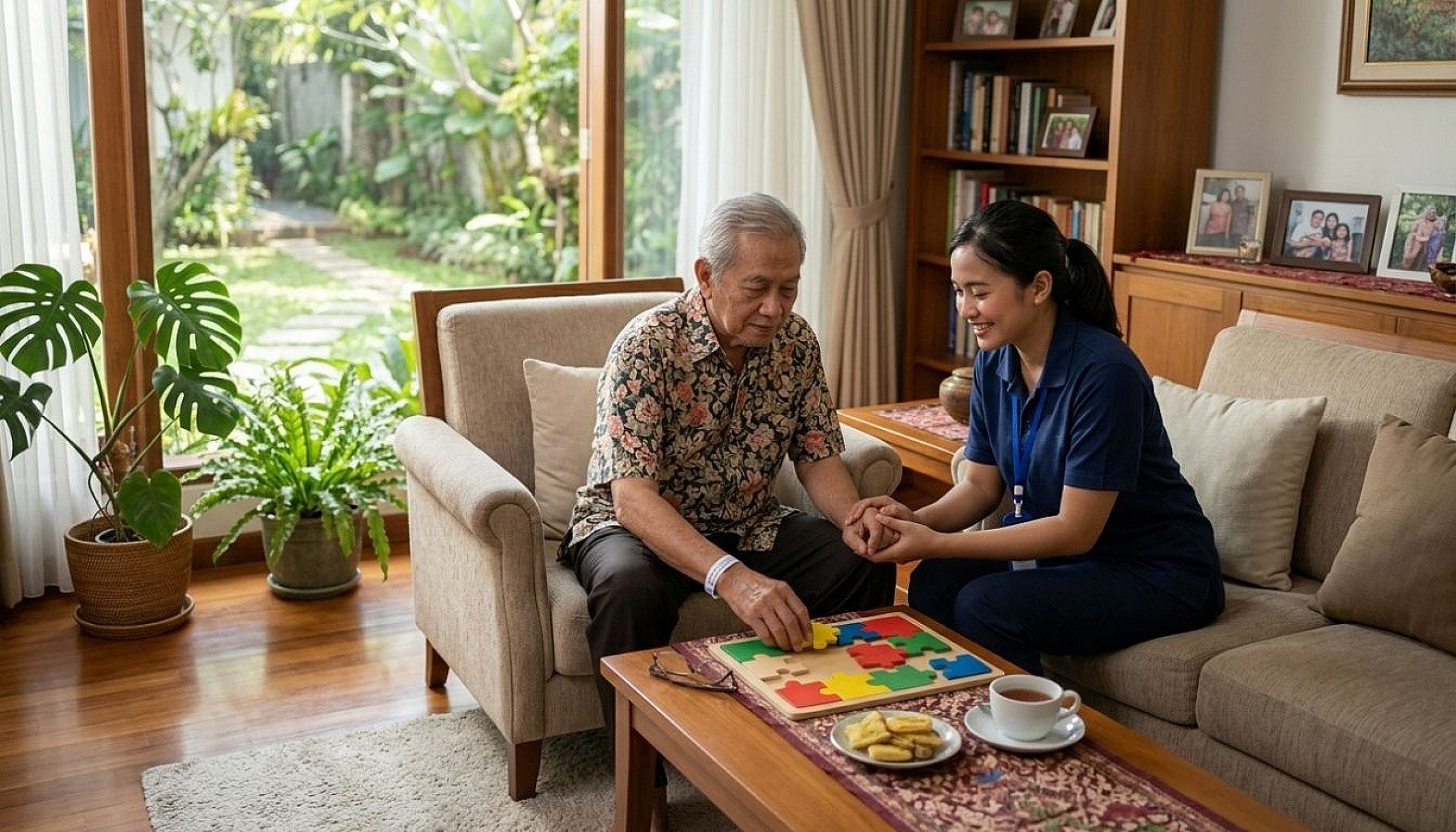
Senior caregiver assisting an older adult with dementia in a calm and comfortable environment
Observing subtle changes in a parent's memory, communication, or everyday behavior can be deeply concerning for family members. When an aging mother or father begins repeating the same questions, misplacing household items in unfamiliar spots, or feeling disoriented in familiar surroundings, adult children often wonder whether these occurrences are normal aspects of aging or indicators of a progressive cognitive condition. Dementia is an umbrella term encompassing various neurological conditions that lead to a decline in cognitive abilities significant enough to impact daily functioning, independence, and social interactions.
What Are the Primary Symptoms and Behavioral Changes in Dementia?
Recognizing the signs of dementia during its early stages empowers families to respond with proactive support, empathy, and structured guidance. Symptoms typically emerge gradually, evolving over months or years, and can influence multiple facets of a senior's daily life. Understanding these indicators enables adult children to approach their loved ones with patience and clarity.
Common signs and cognitive symptoms experienced by seniors living with dementia include:
- Short-term memory loss that disrupts daily life, such as forgetting newly learned details or missing routine appointments.
- Challenges in planning, problem-solving, or handling familiar tasks like balancing household expenses or preparing family recipes.
- Temporal and spatial disorientation, where individuals may lose track of dates, seasons, or familiar neighborhood routes.
- Difficulty interpreting visual images and spatial relationships, which may increase the likelihood of trips or balance issues.
- Shifts in personality and mood, including uncharacteristic withdrawal from social circles, anxiety, confusion, or irritability.
When these symptoms appear, responding with gentle reassurance, concise communication, and active listening creates a calm atmosphere that alleviates stress and frustration for the senior.
Understanding the Underlying Causes and Risk Factors
Dementia develops when brain cells sustain damage that hinders their capacity to communicate effectively with one another. Alzheimer's disease represents the most prevalent form of dementia, followed by vascular dementia, which frequently stems from reduced blood flow to brain tissue after cardiovascular events. Other forms include Lewy body dementia and frontotemporal disorders, each affecting specific neurological pathways responsible for memory, movement, or executive control.
While advancing age remains a primary factor, several health and lifestyle elements influence long-term brain wellness, including:
- Cardiovascular conditions such as untreated hypertension, elevated cholesterol, and heart disease.
- Chronic metabolic disorders, including poorly managed blood sugar levels and diabetes.
- Sedentary lifestyle habits, limited physical activity, and social isolation in later years.
- Inadequate sleep quality and prolonged unmanaged emotional stress.
Understanding these biological factors clarifies that dementia is neither a personal shortcoming nor a behavioral choice, but a complex health condition requiring thoughtful, empathetic care.
How Can Families Choose the Right Care Options?
Choosing appropriate care for a parent living with dementia involves balancing physical safety, emotional comfort, and the overall capacity of the family caregiving team. For busy professionals in metropolitan centers like Jakarta, BSD City, and Tangerang Selatan, managing continuous caregiving demands while balancing professional responsibilities can lead to significant caregiver fatigue.
A structured approach helps families make informed, confident decisions regarding long-term care:
- Arrange a comprehensive clinical assessment with a neurologist or geriatric specialist to secure an accurate diagnosis.
- Participate in a professional assessment to evaluate functional mobility, nutritional needs, and personal daily preferences.
- Convene a family meeting to openly discuss caregiving roles, scheduling availability, and sustainable financial planning.
- Explore available support models, including home caregiving, structured daytime wellness programs, and specialized senior residential communities.
- Tour residential facilities to evaluate physical safety features, staff qualifications, and the vibrancy of therapeutic activity schedules.
- Regularly review and adapt the care strategy as the senior's cognitive and physical needs evolve over time.
Through comprehensive eldercare solutions available at RUKUN Group Home, families can ensure their parents enjoy dignified, supportive care within an environment dedicated to senior wellness.
Practical Daily Strategies for Family Caregivers
Supporting a senior with dementia requires establishing predictable daily rhythms and supportive living spaces. Adopting an Activity as Therapy approach proves highly beneficial, incorporating structured creative arts, gentle movement, and music therapy to uplift mood and maintain motor coordination. Engaging seniors in purposeful tasks tailored to their abilities fosters a sense of accomplishment and self-worth.
Practical home modifications include eliminating clutter, enhancing ambient lighting, and organizing living spaces with clear visual landmarks. If your family has questions regarding daily caregiving challenges or facility policies, exploring our FAQ page provides helpful practical insights.
For families seeking dedicated memory care or a peaceful senior living atmosphere in convenient locations like BSD City and Tangerang Selatan, our team is here to assist your journey with warmth and expertise.
Feel free to contact us today to schedule a free care consultation and explore tailored support options for your family.
Disclaimer: This article is published solely for educational and informational purposes and should not be construed as medical advice, clinical diagnosis, or treatment recommendations. Always consult a qualified physician or healthcare professional regarding any medical concerns or conditions.
Common early signs include difficulty recalling recent conversations, misplacing items in unusual locations, struggling to complete familiar daily tasks, and experiencing unexpected mood or behavioral changes.
No, dementia is not a normal part of aging. While mild age-related forgetfulness can occur, dementia is a progressive medical condition that impairs cognitive functions and disrupts daily independence.
Families should consider professional support when safety concerns arise, when family caregivers experience physical and emotional burnout, or when structured therapeutic activities and specialized memory support are needed.
Ensure adequate lighting across all rooms, remove tripping hazards like loose rugs and cables, place clear visual labels on doors and cabinets, and maintain a consistent, soothing daily routine.