When to Hire a Professional Caregiver: Family Decision Guide
Recognize when to hire a professional caregiver to safeguard senior well-being and restore family emotional equilibrium.
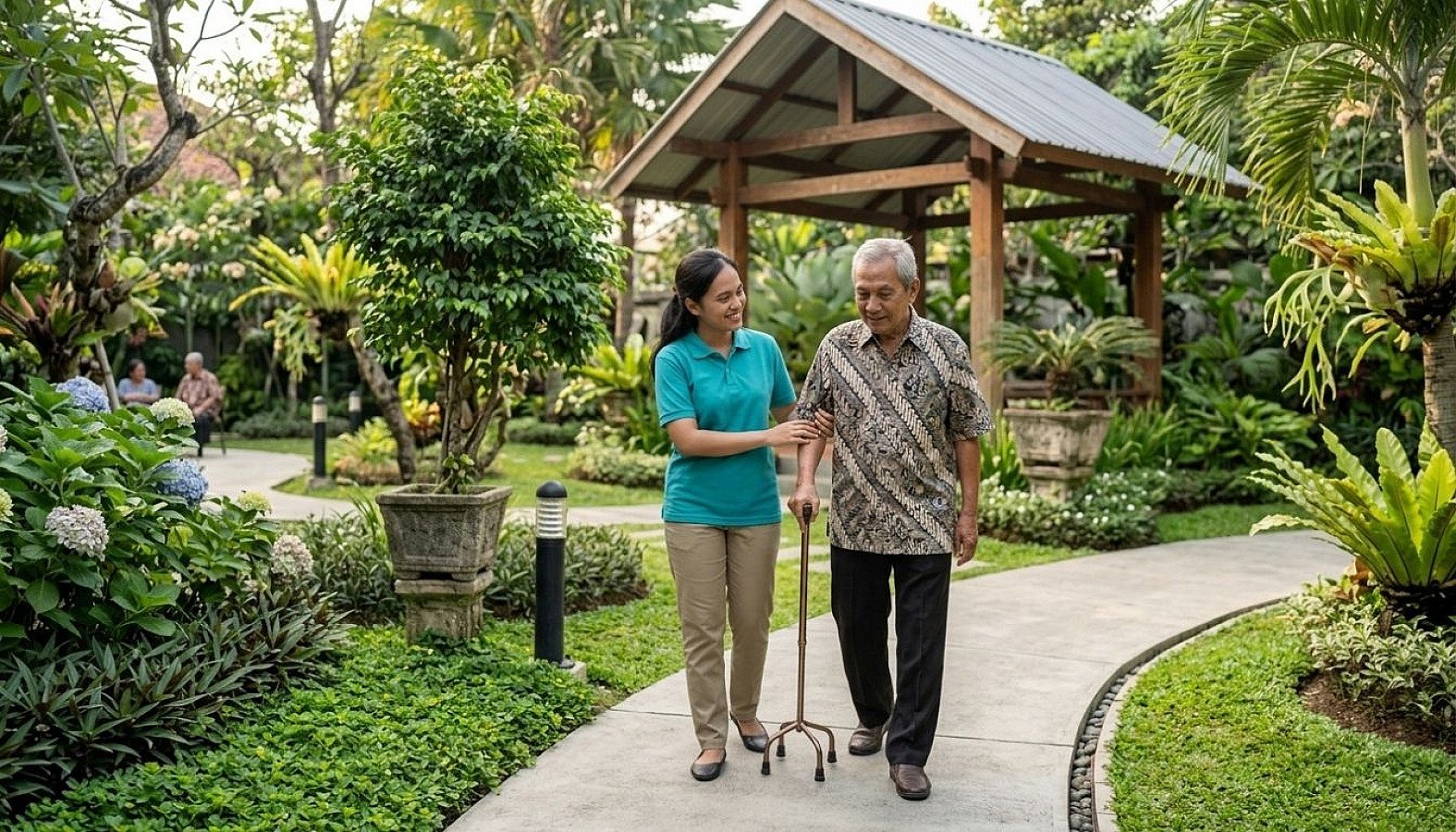
Professional caregiver assisting an elderly resident during an outdoor walk in a serene senior living garden
Deciding when to transition from independent family caregiving to professional senior support is among the most emotionally complex choices adult children will ever make. On one hand, there is a profound personal desire to care for aging parents at home. On the other hand, escalating physical dependencies, household safety hazards, and professional career pressures frequently render family care unsustainable over time. Identifying objective signs that professional caregiving is warranted represents a loving and responsible step toward protecting senior well-being and restoring balanced family harmony.
Key Indicators That Seniors Require Professional Care Support
Physical and cognitive decline in older adults often advances gradually, causing subtle losses of independence to go unnoticed until an unexpected emergency occurs. Observing daily patterns objectively enables families to intervene proactively before critical crises happen.
Essential warning signs indicating that professional assistance is required include:
- Declining Activities of Daily Living (ADLs): Increasing difficulty with independent bathing, selecting appropriate attire, maintaining personal hygiene, or eating.
- Household Safety Risks: Leaving gas burners unattended, forgetting to lock exterior doors, or experiencing disorientation in the local neighborhood.
- Medication Non-Adherence: Frequently skipping essential prescription dosages, confusing pill schedules, or accidentally consuming double doses.
- Mobility and Balance Instability: Difficulty rising from chairs, unsteady gait patterns, or a history of recurring slips and close-call falls.
- Emotional Withdrawal and Depression: Spending continuous days isolated in bed, refusing social conversations, or losing interest in long-enjoyed passions.
For adult children across Jakarta, Tangerang, and neighboring hubs, recognizing these behavioural changes forms the necessary foundation for timely eldercare planning.
Comparing Eldercare Options: In-Home Support vs Residential Senior Living
Families have access to a spectrum of caregiving models that can be tailored to their parent's specific dependency level and lifestyle preferences.
Key care modalities and their primary characteristics include:
- Visiting In-Home Caregivers: Ideal for relatively independent seniors requiring periodic assistance with meal preparation, light housekeeping, or transportation.
- Live-In Caregivers at Home: Provides continuous presence within the family residence, though management and emotional oversight remain with family members.
- Dementia Day Programs: Structured daytime wellness programs offering cognitive stimulation and group interaction from morning to late afternoon before returning home.
- Residential Senior Group Homes: Purpose-built 24/7 memory care residences offering non-fall architectural safety, balanced nutrition, and structured activity therapies.
Evaluating these options helps families identify a realistic, dignified, and sustainable eldercare roadmap.
A Structured Decision-Making Framework for Families
Decisions concerning senior care should be approached collaboratively to foster unity and prevent resentment among siblings.
Recommended practical steps during the care decision process:
- Schedule a comprehensive clinical assessment with a geriatric physician to evaluate physical mobility and cognitive trajectories accurately.
- Participate in a professional assessment to assess daily functional dependencies and explore suitable care service tiers.
- Convene a dedicated family meeting to review eldercare solutions openly, including long-term financial allocations and responsibilities.
- Engage your aging parent in gentle conversations emphasizing that professional assistance is introduced to enhance their comfort and safety.
- Tour prospective senior living residences in person to evaluate hygiene standards, staffing ratios, and the overall social atmosphere.
- Utilize short-term trial stay opportunities to observe your parent's comfort and adaptation before committing to extended arrangements.
Within a nurturing residential community at RUKUN Group Home, aging parents receive attentive professional care while enjoying enriching friendships with fellow residents.
Restoring Peace of Mind for the Entire Family
Choosing professional caregiving or specialized residential living is never an act of abandonment; rather, it is a thoughtful decision to provide parents with the expert, dignified care they deserve in their golden years. Delegating daily physical care to dedicated professionals allows family moments to refocus entirely on affection and emotional connection.
To learn more about care fees, daytime program options, and family visitation guidelines, please visit our FAQ page.
For families across Greater Jakarta, including Tangerang Selatan, BSD City, and surrounding areas seeking reputable senior living solutions, our care advisory team is ready to guide you.
Please feel free to contact us today to schedule an on-site visit and free care consultation with our experts.
Disclaimer: This article is intended purely for educational and decision-making guidance for families and must not be used as clinical diagnosis or legal instruction. Always consult qualified medical professionals regarding specific health conditions affecting your loved ones.
Primary indicators include frequently forgetting kitchen burners or water taps, rapid unexplained weight loss from missed meals, medication mismanagement, recurrent fall incidents, and wandering outside due to spatial disorientation.
Center the conversation on preserving comfort and wellness rather than focusing on declining abilities. Frame the caregiver as a supportive personal assistant handling daily chores so the parent can enjoy relaxing, stress-free days.
In-home caregivers provide one-on-one assistance within the senior’s private residence. In contrast, residential group homes offer purpose-built senior-friendly environments, 24/7 staffing, comprehensive meal management, and daily structured group therapeutic activities.
The transition period typically spans 2 to 4 weeks. Key factors for a smooth adaptation include consistent caregiving staff, a patient and unhurried approach, and active emotional reassurance from family members throughout the process.